
La signalétique interactive d'orientation améliore la satisfaction des patients et l'efficacité opérationnelle dans le secteur de la santé.
L’orientation interactive désigne les systèmes d’affichage numérique — généralement des bornes tactiles ou de grands écrans interactifs — qui aident les utilisateurs à localiser les départements, les médecins, les chambres des patients ou les services au sein d’un bâtiment. Ces systèmes permettent aux visiteurs d’effectuer une recherche par mot-clé, de consulter des répertoires ou de sélectionner des destinations sur des plans visuels.
Considérez-le comme un assistant de navigation intérieure. De la même manière que vous utilisez le GPS en voiture,orientation interactiveLa signalétique fournit des indications de navigation précises à l'intérieur des grands établissements de santé. Certains systèmes permettent même d'envoyer les instructions directement sur un appareil mobile, pour un parcours sans encombre du début à la fin.
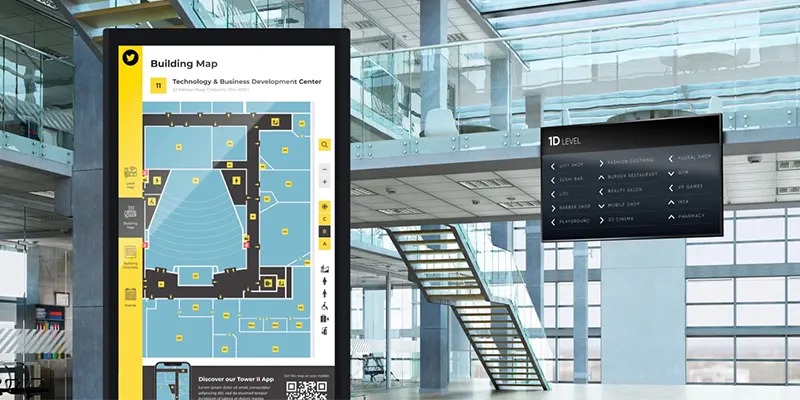
Le défi croissant de la navigation dans les établissements de santé modernes
L'infrastructure des soins de santé est en pleine expansion. Les hôpitaux fonctionnent désormais comme de vastes campus médicaux plutôt que comme des bâtiments isolés. Cette croissance engendre une complexité accrue, source de difficultés d'orientation.
Extension des campus hospitaliers
Les hôpitaux modernes comprennent souvent plusieurs centres de spécialités, des bâtiments de recherche, des cliniques externes, des services d'urgences et des parkings. Une simple visite peut nécessiter de traverser plusieurs étages, voire plusieurs bâtiments.
Sans indications claires, les visiteurs peuvent facilement se désorienter. Et lorsque la navigation devient confuse, la frustration monte rapidement.
Stress émotionnel et confusion des visiteurs
Les hôpitaux sont des lieux chargés d'émotion. Les patients et leurs familles y arrivent souvent anxieux, incertains ou dépassés. Lorsqu'ils peinent à trouver leur chemin, ce stress s'intensifie.
Orientation interactiveLa signalétique atténue ces tensions émotionnelles. Des indications numériques claires rassurent et procurent un sentiment de contrôle lors d'une journée qui peut déjà s'avérer difficile.
Le coût caché d'une mauvaise navigation
Les problèmes d'orientation n'affectent pas seulement les patients, mais aussi le fonctionnement de l'hôpital. Les retards perturbent les plannings de rendez-vous. Le personnel perd un temps précieux à donner des indications au lieu de se concentrer sur ses tâches principales.
Au fil du temps, ces petites inefficacités se transforment en coûts opérationnels importants. La signalétique interactive d'orientation permet de remédier directement à ces pertes de productivité invisibles.
Comment fonctionne réellement la signalétique interactive d'orientation ?
Comprendre le fonctionnement du système permet d'en saisir toute la valeur. L'agencement interactif de la signalétique repose essentiellement sur la combinaison de matériel, de logiciels et de technologies de cartographie intelligente.
Bornes interactives à écran tactile
Les bornes interactives, installées de manière stratégique, sont généralement placées près des entrées, des halls et des carrefours à fort trafic. Les utilisateurs peuvent effectuer une recherche par nom de médecin, service, type de service ou numéro de chambre.
L'interface est conçue pour être simple d'utilisation. De gros boutons, des polices claires et une navigation intuitive permettent aux utilisateurs de tous âges d'utiliser le système confortablement.
Cartographie dynamique en temps réel
Une fois la destination sélectionnée, le système affiche un itinéraire visuel. Des lignes animées tracent le parcours étape par étape, éliminant toute ambiguïté. Contrairement aux cartes imprimées, ces itinéraires sont mis à jour instantanément en cas de déménagement de services ou de fermetures temporaires.
Les mises à jour en temps réel garantissent la précision, ce que la signalétique statique ne peut tout simplement pas garantir.
Connectivité mobile et intégration QR
De nombreux systèmes interactifs proposent désormais une intégration mobile. Après avoir sélectionné une destination, les utilisateurs peuvent scanner un code QR et recevoir l'itinéraire directement sur leur smartphone.
Cela élimine la nécessité de mémoriser les instructions. Les visiteurs peuvent se déplacer en toute confiance tout en suivant un guidage numérique en temps réel.
Positionnement intérieur et technologies intelligentes
Les solutions avancées intègrent des technologies de géolocalisation intérieure fonctionnant de manière similaire au GPS. Ces systèmes suivent la position à l'intérieur du bâtiment et offrent des mises à jour dynamiques, virage par virage.
À mesure que la technologie évolue, ces capacités deviendront encore plus précises et personnalisées.
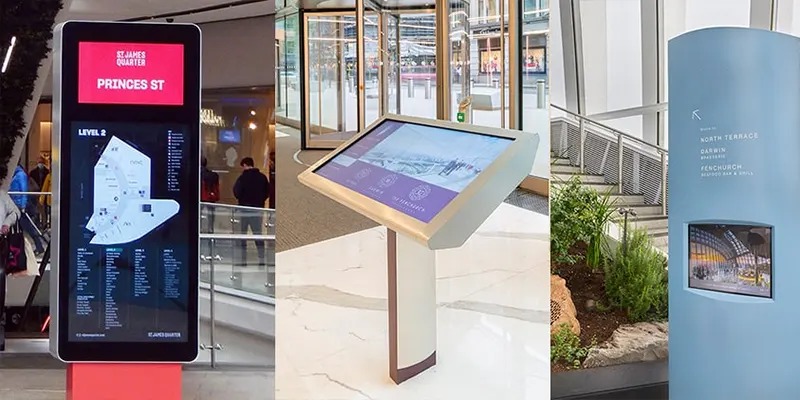
Améliorer la satisfaction des patients grâce à une navigation intelligente
La satisfaction des patients est un indicateur clé de performance dans le secteur de la santé. L'orientation des patients joue un rôle étonnamment important dans la qualité de leur expérience.
Réduire l'anxiété et les frictions émotionnelles
Quand on se sent perdu, on est stressé. C'est aussi simple que cela. Des conseils clairs et interactifs dissipent l'incertitude et la remplacent par la confiance.
En réduisant la confusion, les hôpitaux créent un environnement plus calme et plus rassurant pour les patients comme pour les visiteurs.
Conception inclusive et soutien multilingue
Les établissements de santé desservent des communautés diverses. Les systèmes interactifs peuvent prendre en charge plusieurs langues, des tailles de police ajustables et des fonctions de guidage vocal.
Cette inclusivité améliore l'accessibilité et témoigne d'un engagement à servir chaque patient de manière égale.
Améliorer l'efficacité opérationnelle dans tous les départements
Au-delà de l'expérience patient, l'efficacité opérationnelle s'améliore considérablement grâce aux systèmes de navigation interactifs.
Diminuer la charge de travail à la réception
Les employés répondent fréquemment à des questions d'orientation répétitives. L'automatisation de cette fonction, grâce à une signalétique interactive, leur permet de se concentrer sur des tâches à plus forte valeur ajoutée.
L'efficacité s'améliore sans augmentation des effectifs.
Réduire les retards et les rendez-vous manqués
Lorsque les patients arrivent en retard parce qu'ils ne trouvent pas leur service, le planning des rendez-vous est perturbé. La navigation interactive réduit les retards et assure le bon déroulement des rendez-vous.
La régularité des horaires renforce la performance globale du flux de travail.
Gérer stratégiquement le flux de piétons
Les systèmes interactifs permettent de mieux répartir le flux de visiteurs. En guidant les personnes sur des itinéraires optimisés, les hôpitaux réduisent l'encombrement dans les couloirs et les salles d'attente.
Une meilleure gestion du trafic améliore la sécurité et le confort.
Renforcer la communication et l'image de marque de l'hôpital
L'affichage numérique sert également de plateforme de communication.
Annonces et alertes en temps réel
Les hôpitaux peuvent afficher instantanément les mises à jour importantes, les campagnes de santé publique, les notifications d'urgence ou les informations sur les événements.
Cela permet de garantir que les messages essentiels parviennent aux visiteurs rapidement et efficacement.
Promouvoir efficacement les départements et les services
Les écrans interactifs peuvent mettre en valeur les services spécialisés, les programmes de bien-être ou les nouveaux traitements proposés. Tout en guidant les visiteurs, le système permet également de mieux faire connaître les capacités de l'hôpital.
C'est une communication ciblée.
Retour
Le client a fait part de retours très positifs suite à la mise en place de la signalétique interactive. La satisfaction des patients s'est améliorée, les visiteurs trouvant l'orientation dans l'établissement beaucoup plus facile. Le personnel d'accueil a traité moins de questions d'orientation, ce qui a permis un fonctionnement plus fluide et une meilleure ponctualité des rendez-vous. Globalement, le système a amélioré l'efficacité et l'image professionnelle de l'hôpital.
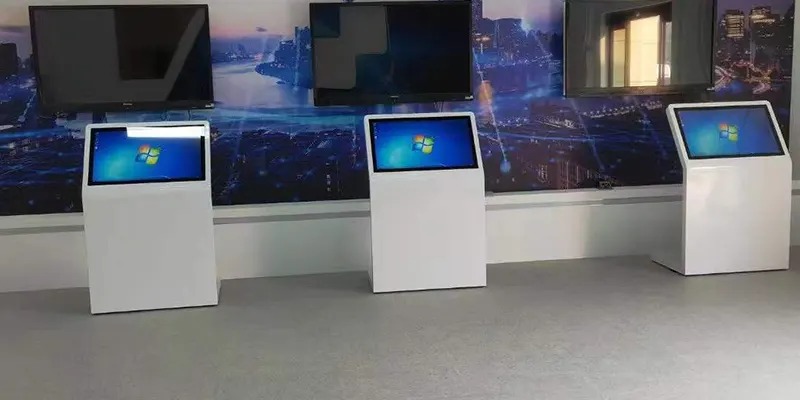
Conclusion
La signalétique interactive d'orientation ne se contente pas d'indiquer des directions. Elle réduit l'anxiété, améliore l'efficacité, optimise la communication et favorise des décisions opérationnelles plus judicieuses.
Dans les établissements de santé où chaque minute et chaque interaction comptent, la clarté de l'orientation n'est pas une option, mais une nécessité. Les hôpitaux qui adoptent des systèmes d'orientation interactifs se positionnent comme étant centrés sur le patient, innovants et performants sur le plan opérationnel.
Des parcours clairs mènent à de meilleures expériences. Et de meilleures expériences engendrent de meilleurs résultats.
FAQ
1. Comment la signalétique interactive d'orientation améliore-t-elle la satisfaction des patients ?
Cela réduit la confusion, diminue le stress et fournit une assistance à la navigation claire, pour une visite plus agréable.
2. Ces systèmes peuvent-ils s'intégrer aux logiciels hospitaliers ?
Oui, de nombreuses solutions s'intègrent aux systèmes de planification, de gestion des salles et aux bases de données d'annuaires pour des mises à jour en temps réel.
3. Les bornes interactives sont-elles accessibles aux patients âgés ?
La plupart des systèmes sont conçus avec de gros boutons, des interfaces simples et des fonctionnalités d'accessibilité pour garantir leur facilité d'utilisation.
4. La signalétique interactive permet-elle de réduire les coûts opérationnels ?
En réduisant les interruptions du personnel et les retards de rendez-vous, elle améliore l'efficacité et diminue les coûts opérationnels cachés.
5. La signalétique interactive est-elle adaptée aux petites cliniques ?
Oui. Il existe des solutions évolutives pour les établissements de toutes tailles, des petites cliniques aux campus multi-bâtiments.